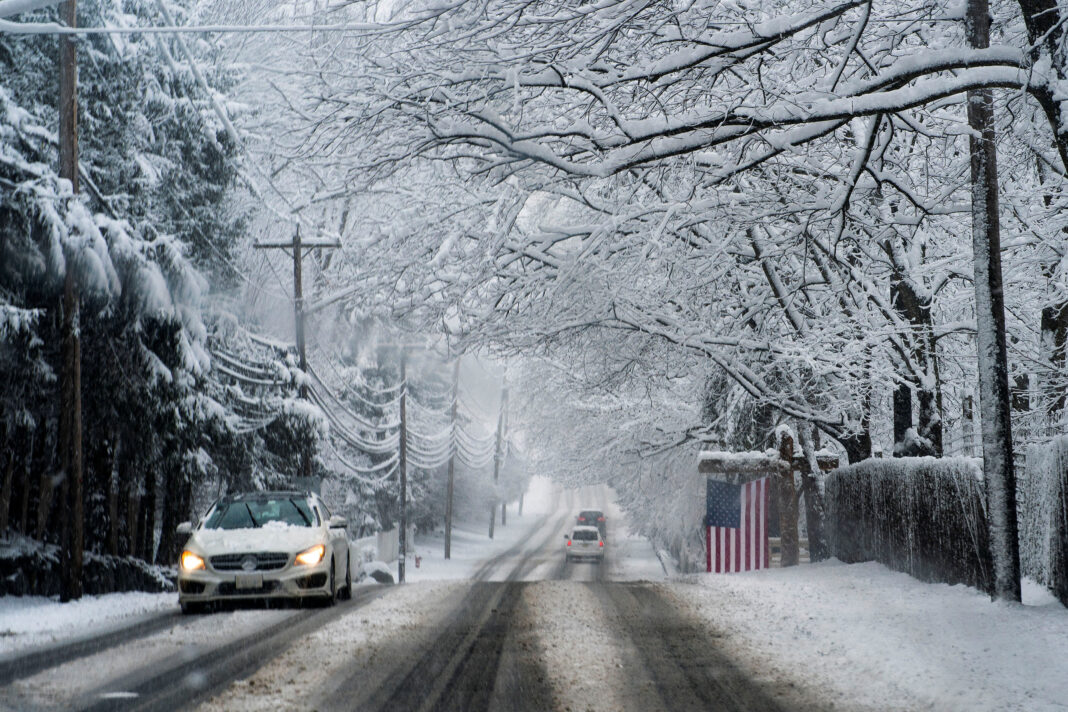
New Jersey is bracing for an unusually intense cold snap this week, as a rare deep freeze settles in across the region following a powerful winter storm that already disrupted travel and daily life statewide. Forecasters warn that temperatures are expected to drop to levels not seen in years, with record-breaking cold possible in several parts of the state.
The bitter conditions arrive just days after a widespread winter storm brought heavy snow, ice, and strong winds to New Jersey. While crews continue cleanup efforts from the storm, attention is now turning to the dangerous cold that will follow in its wake. Meteorologists say a surge of Arctic air will push daytime highs well below seasonal averages, with overnight lows plunging into the single digits and, in some areas, below zero.
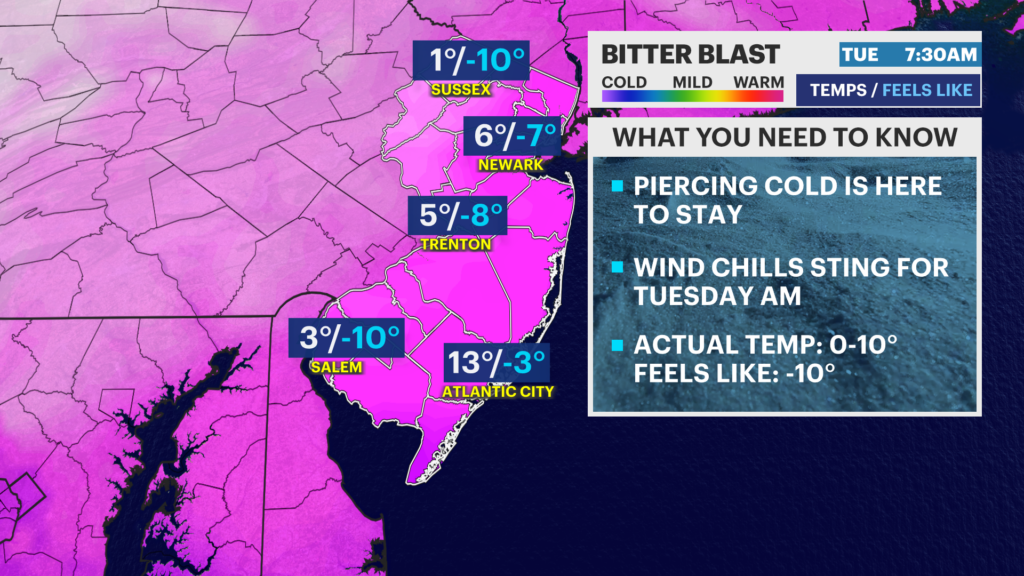
Wind chills are expected to make conditions feel even colder, especially during the overnight and early morning hours. In northern New Jersey, wind chill values could dip into the minus teens, while central and southern portions of the state may experience subzero wind chills at times. These conditions significantly increase the risk of frostbite and hypothermia for anyone spending extended periods outdoors.
The cold is expected to linger through much of the week, with little relief even during daylight hours. High temperatures in many communities may struggle to climb out of the teens, while nighttime lows could challenge long-standing records. Forecasters note that while New Jersey regularly experiences cold weather in winter, the depth and duration of this Arctic blast make it particularly notable.
Utility companies across the state are urging residents to prepare for increased energy usage as heating systems work overtime. Officials are also reminding homeowners to protect exposed pipes, as prolonged freezing temperatures can lead to burst pipes and costly water damage. Residents are encouraged to let faucets drip slightly, insulate vulnerable plumbing, and check on heating systems to ensure they are operating safely.
Local and state officials are also emphasizing safety for vulnerable populations. Warming centers may be opened in some communities, and residents are encouraged to check on elderly neighbors, people with disabilities, and those without reliable heat. Animal welfare groups are reminding pet owners to limit outdoor exposure for animals and ensure they have warm shelter.
Travel conditions could also be affected, even after snow removal is complete. Extremely cold temperatures can cause icy patches to persist on roads and sidewalks, increasing the risk of slips and accidents. Drivers are advised to allow extra time, keep emergency supplies in their vehicles, and ensure their cars are winter-ready.
While the forecast suggests temperatures will eventually moderate later in the week, officials caution that the immediate focus should be on staying safe during the coldest stretch. For New Jersey residents, the combination of a recent winter storm and an incoming Arctic blast serves as a reminder that winter’s harshest conditions can arrive quickly and demand preparation.