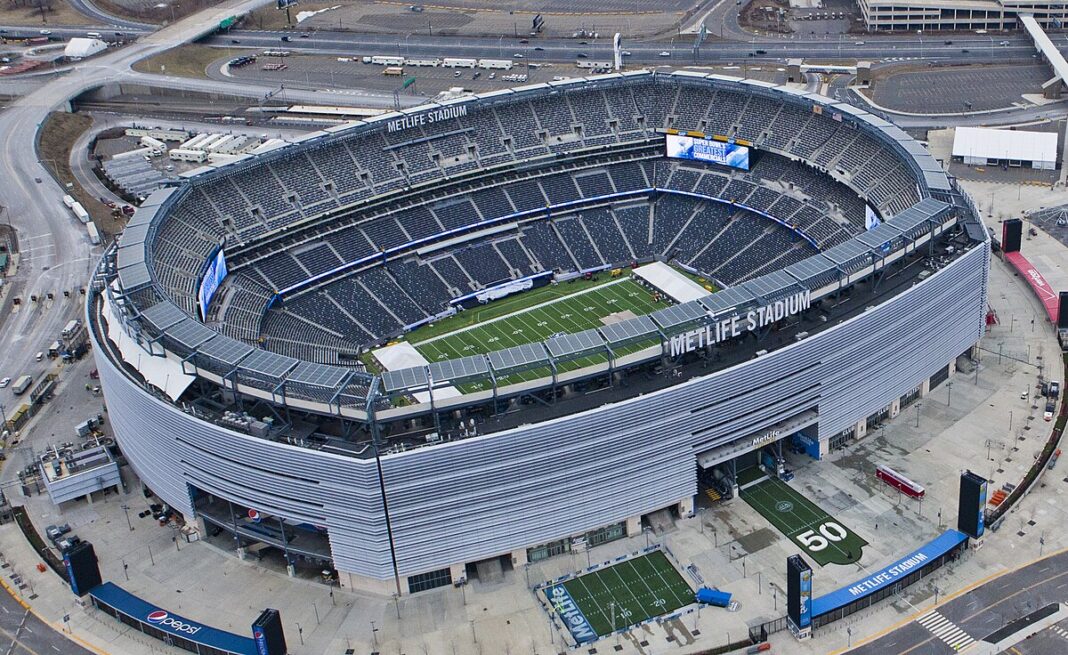
New Jersey is getting ready to welcome the world once again – this time with even bigger stakes. With the 2026 FIFA World Cup final scheduled to be held at MetLife Stadium in East Rutherford, the Garden State is positioned to show just how much it has grown since its first taste of World Cup action in 1994. As the world’s biggest sporting event arrives next summer, locals and officials are reflecting on the changes and challenges that come with hosting global soccer’s grandest stage once more.
Back in 1994, New Jersey’s connection to the FIFA World Cup was real but modest. Games at the old Giants Stadium introduced many Americans to international football at a time when the sport was still fighting for widespread recognition in the United States. That tournament helped spark interest, laying foundations for the development of professional soccer leagues and a stronger youth soccer culture across the country.
More than three decades later, New Jersey is no longer a supporting player – it is now one of the central hosts. MetLife Stadium, which regularly stages NFL games and major entertainment events, is preparing to accommodate eight World Cup matches, including the final on July 19, 2026. State and regional preparations are already under way, and the expected economic boost is significant. Early estimates project billions of dollars in activity and thousands of jobs created across the New York and New Jersey region.
Local businesses are also gearing up. Restaurants, hotels, bars, transportation services and retail shops are planning for an unprecedented influx of visitors. Volunteer programs, hospitality training and public-transit upgrades are being organized to support the tens of thousands of traveling fans. Officials say that hosting the World Cup is not just about putting on the matches – it is about showcasing New Jersey’s capacity to operate on a global scale.
But the 2026 tournament also highlights how much New Jersey – and the nation – has changed since 1994 in terms of its relationship with soccer. What was once considered a novelty has become a mainstream part of American sports culture. Major League Soccer has expanded dramatically, youth academies have flourished and a more diverse population has brought deeper connections to international football traditions. In many communities across the state, soccer is now a daily presence, visible in parks, schools and training centers.
That transformation is not just economic or demographic. It reflects cultural growth. Hosting 2026 gives New Jersey the opportunity to demonstrate that soccer has matured from a fringe interest into a major American sport. It confirms the state’s evolution from a host city into a central stage for global football.
Of course, such visibility also brings pressure. Organizers must deliver clean logistics, reliable transit, safe fan zones, accessible accommodations and updated infrastructure. Traffic management, security planning and stadium readiness will all face intense attention. Yet many argue that the benefits – cultural exchange, worldwide exposure and the chance to redefine New Jersey’s image – far outweigh the challenges.
If all goes as planned, July 2026 will not just bring global football to New Jersey’s doorstep. It will serve as a milestone showing how far the state has come since 1994. And for many residents, the real question may be not whether New Jersey is ready to host the world, but whether the world is ready to see a very different New Jersey.