In New Jersey, a unique performance group is proving that classical music doesn’t have to stay in the past. The “Zombie Opera” company is bringing a fresh, unusual take on Mozart – mixing traditional opera with theatrical horror elements to create something entirely new. As of May 2026, their performances are drawing attention across the state and beyond.
The idea may sound unusual at first: combining the elegance of Mozart with zombies, dark humor, and modern storytelling. But the concept is working. Audiences are showing up not just out of curiosity, but because the performances offer a different way to experience opera – one that feels more accessible and engaging.
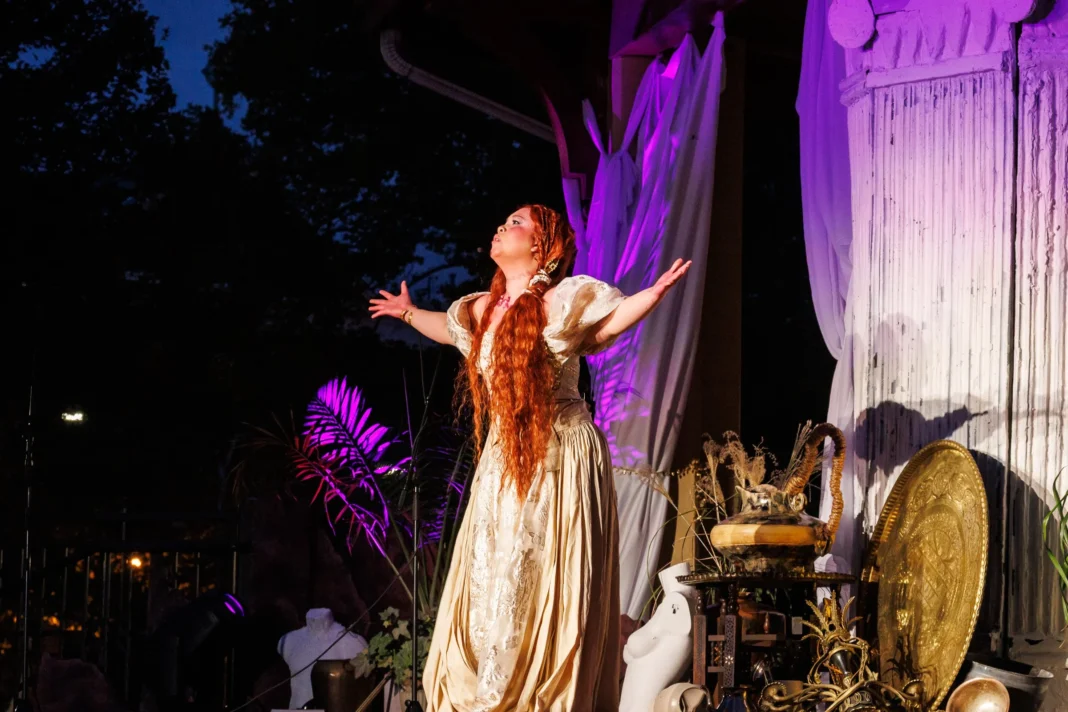
The company’s approach keeps Mozart’s music at the center. The original compositions are performed with respect and skill, often by trained vocalists who understand the demands of classical opera. What changes is the presentation. Instead of traditional costumes and staging, performers appear as undead characters, blending dramatic makeup, movement, and storytelling with the music.
This creative twist allows the company to attract a wider audience. People who might not normally attend an opera are finding themselves interested in the experience. For some, it’s the theatrical aspect. For others, it’s the novelty of seeing something familiar presented in a completely different way.
At the same time, longtime opera fans are also taking notice. While the concept is unconventional, the quality of the music remains strong. The performances show that it’s possible to experiment with presentation without losing the essence of the original work.
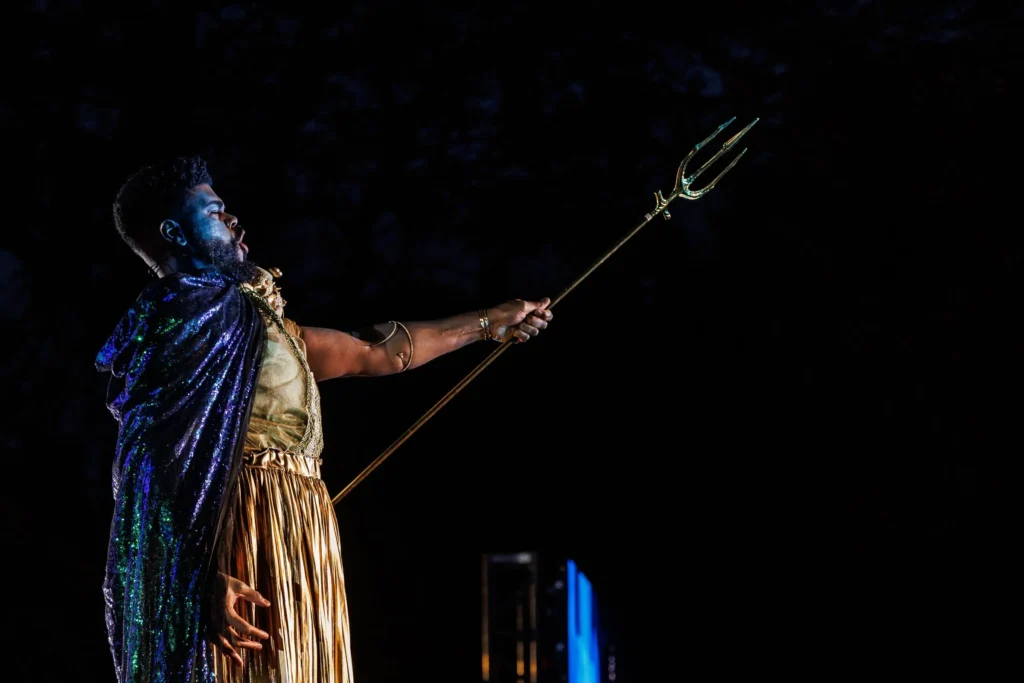
The group has been performing at various venues across New Jersey, including smaller theaters and community spaces. This local focus has helped them build a loyal following. Many attendees describe the shows as fun, surprising, and refreshingly different from traditional performances.
The “Zombie Opera” concept also reflects a broader trend in the arts. Across the country, companies are looking for new ways to present classical works to modern audiences. By blending genres and styles, they aim to keep these works relevant while introducing them to new generations.
In New Jersey, this approach seems to be working particularly well. The state has a diverse arts scene, and audiences are often open to creative experimentation. The success of the “Zombie Opera” company suggests that there is room for both tradition and innovation in the local entertainment landscape.
Performers in the company have also embraced the challenge. Acting while singing complex operatic pieces is already demanding, and adding physical performance elements – like portraying zombies – requires even more skill and coordination. The result is a performance that feels both theatrical and musically rich.
For many audience members, the experience is memorable not just because of the concept, but because of how it changes their perception of opera. What might once have seemed formal or distant becomes something lively, interactive, and even humorous.
As the company continues to perform and expand its reach, it is likely to inspire similar experiments in other regions. Whether or not “zombie opera” becomes a broader trend, it has already made an impact by showing that classical music can evolve in unexpected ways.
In the end, the message is simple: Mozart’s music is still alive – and in New Jersey, it’s walking, singing, and entertaining audiences in a way few could have imagined.